

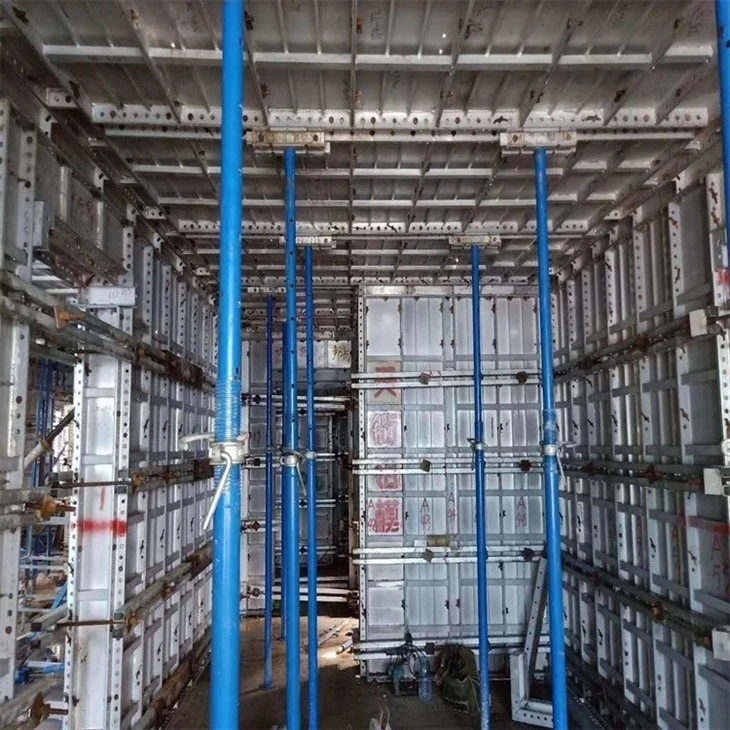
Joint Bar
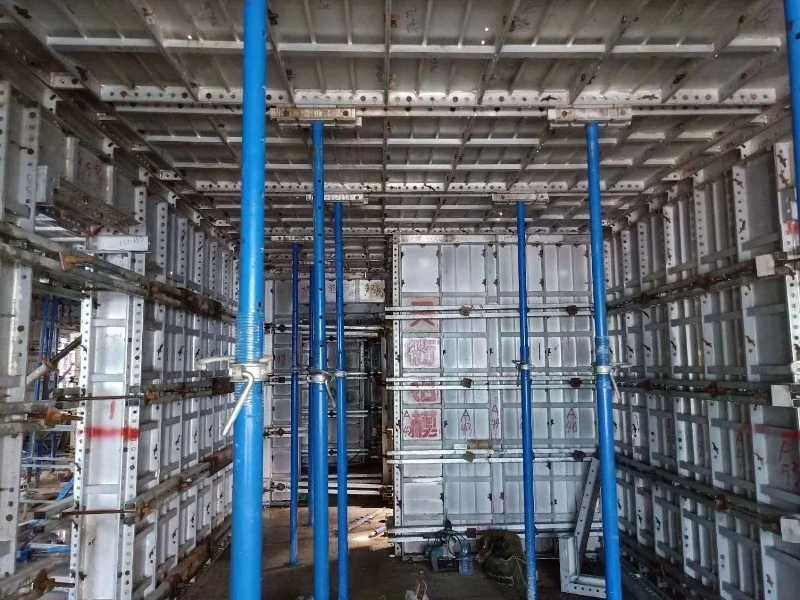
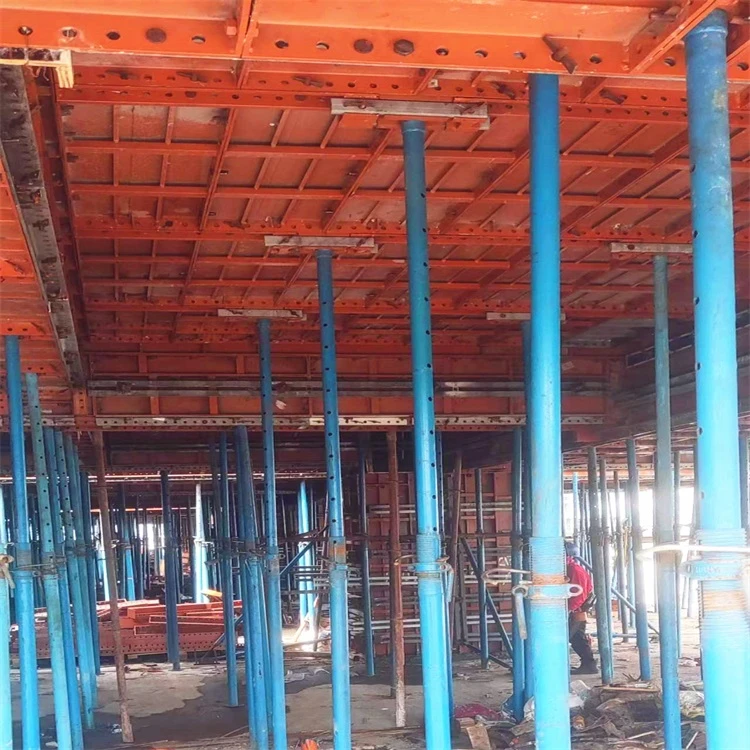
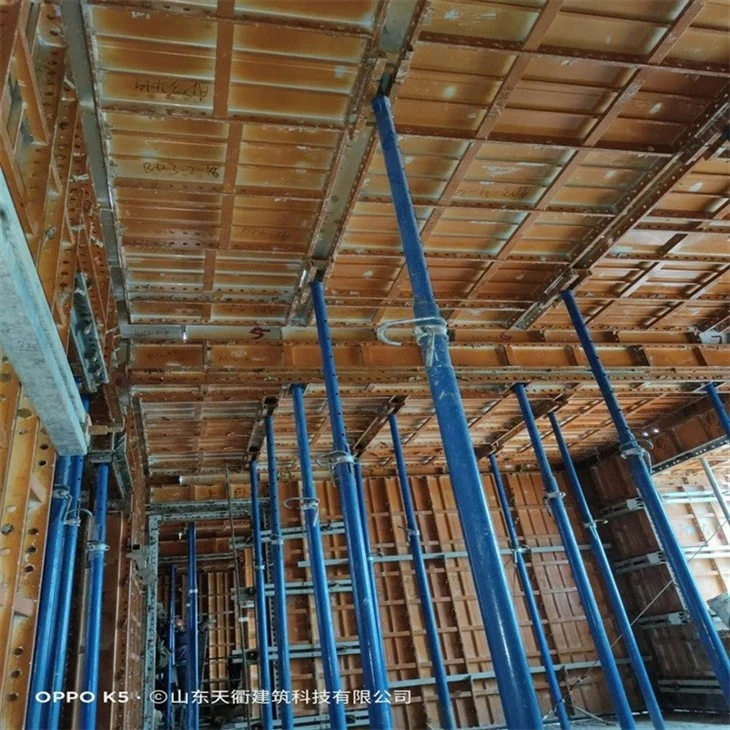
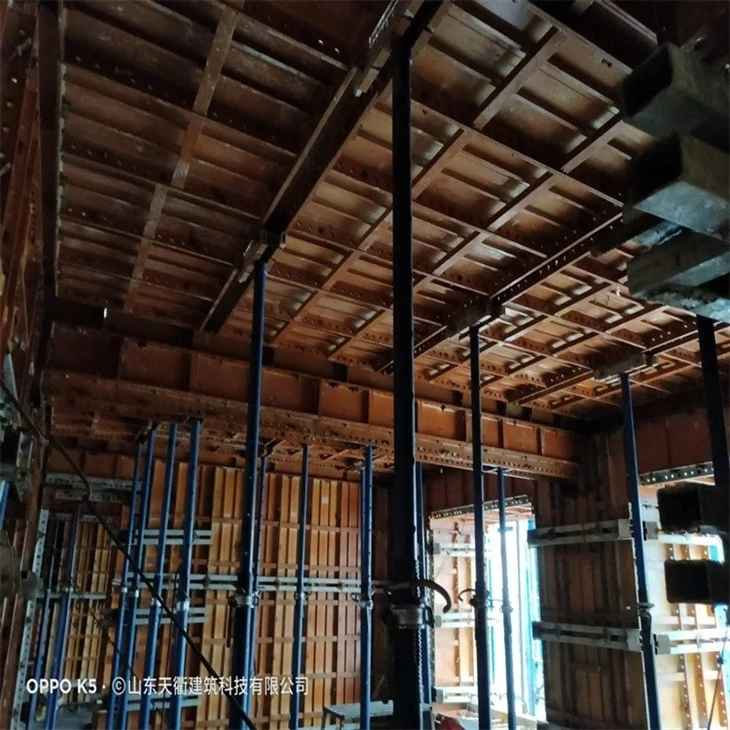
As an advanced formwork technology in modern building construction, aluminum formwork has many distinct characteristics and advantages. It is described in detail below:
1.High precision and quality concrete forming
Features: Aluminum template adopts precision manufacturing process, the surface of aluminum alloy profiles is smooth and high flatness, the joint between the templates is tight, and the overall stiffness and stability are ensured by a well-designed connection system.
Advantages: This high-precision formwork system can ensure that the surface of the wall, floor and other structures after concrete pouring is smooth and accurate, reducing or even eliminating the need for secondary plastering treatment, directly improving the internal appearance quality of the building, and also reducing the workload and cost of subsequent decoration.
2. High turnover and long service life
Features: Aluminum alloy material has good corrosion resistance and wear resistance, after proper maintenance and rational use, aluminum template can withstand repeated construction process and not easy to damage.
Advantages: A set of aluminum templates can be recycled hundreds of times under correct maintenance, far more than the use of traditional wood templates and some steel templates. This high turnover rate greatly reduces the cost of using the template per unit area, making it show significant economic benefits in long-term use.
3. Fast construction speed and high efficiency
Features: The aluminum formwork system adopts a "quick mold removal system", that is, the formwork can be quickly removed after the concrete reaches a certain strength, without waiting for the concrete to completely harden. The template components are highly standardized and regular in size, which is easy to assemble and disassemble quickly on site.
Advantages: The lightweight characteristics of the template (about 30kg/㎡) make manual handling and installation more convenient, usually only a simple tool can complete the operation. The efficient formwork turnover and construction process greatly shorten the construction period, especially for high-rise buildings, and sometimes even reach the construction speed of "one floor every four days", which helps the project to be completed in advance, reducing capital occupation and management costs.
Environmental protection and sustainability
Features: Aluminum alloy is a renewable resource, and the waste aluminum template can be easily recycled and reused to produce new aluminum products through smelting.
Advantages: The use of aluminum formwork instead of wood formwork reduces the consumption of forest resources, in line with the requirements of green building and sustainable development. In addition, the aluminum formwork construction process generated less waste, easy to clean and recycle, reducing the environmental impact of the construction site.
5. Strong adaptability and design flexibility
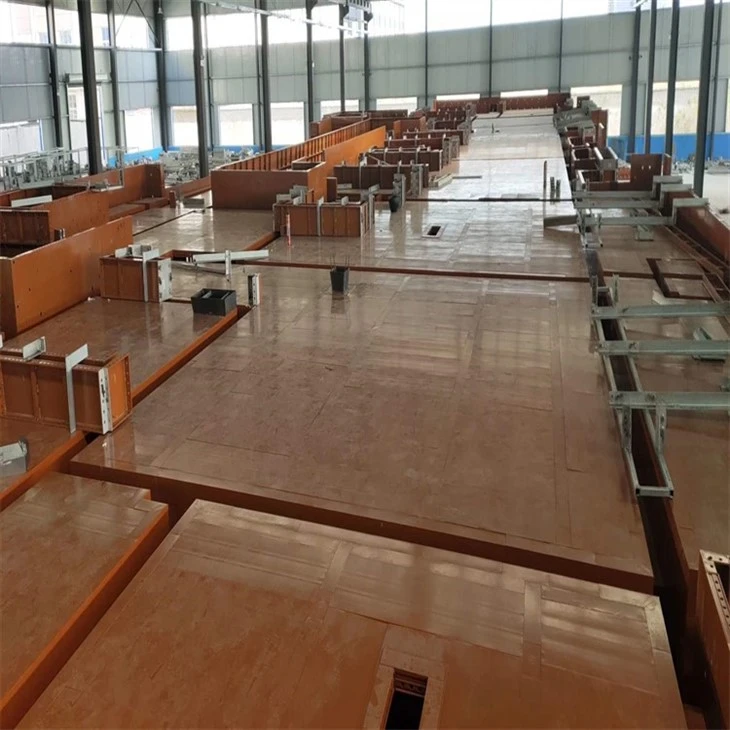
Features: Aluminum formwork can be customized according to architectural drawings, through different combinations to adapt to a variety of complex building structures, such as shear walls, beams, columns, balconies, bay Windows, stairs, etc., and through pre-assembly technology, to achieve rapid assembly on site.
Advantages: Whether for regular or irregular building design, aluminum formwork can provide flexible solutions to reduce on-site cutting, modification and other work, helping to achieve fine construction of buildings. At the same time, its standardized design is also conducive to promoting the process of construction industrialization and improving the overall construction management level of engineering projects.
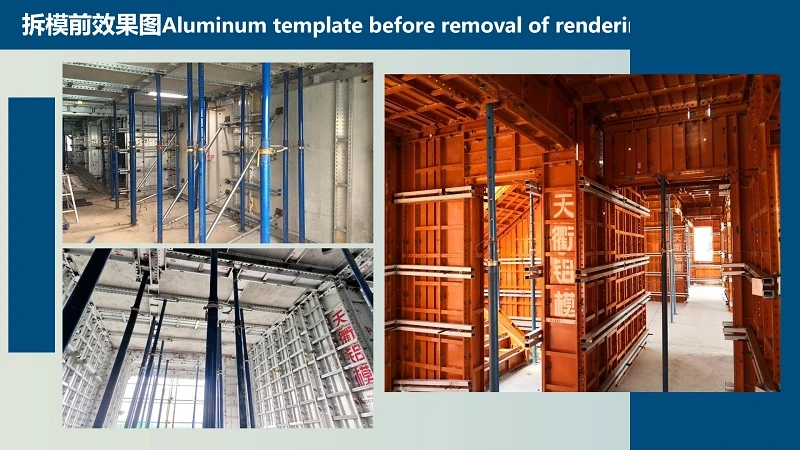
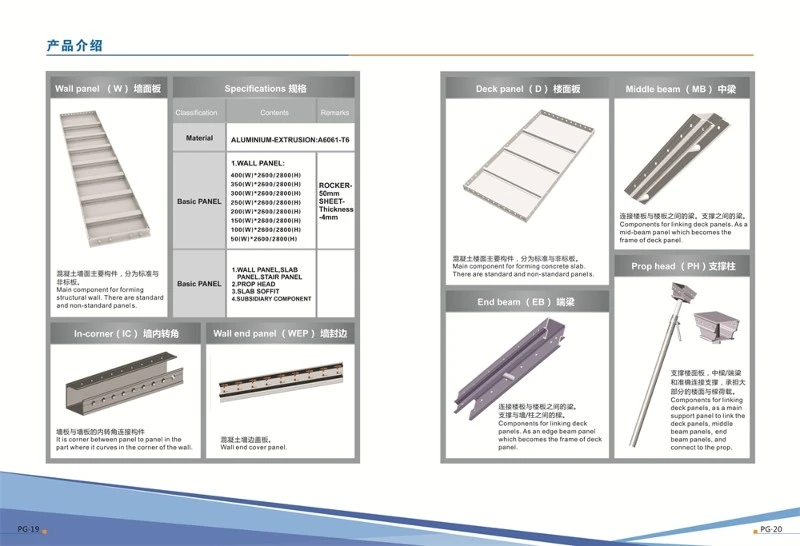
The aluminum die keel joint bar is a connection component designed for the keel components in the aluminum formwork system. Its core responsibility is to firmly connect the independent aluminum keel elements (such as posts, beams, diagonal braces, etc.) to build an integrated, high-stiffness formwork support skeleton. The joint bars ensure accurate alignment and reliable connection between keels and other system components such as formwork, support feet, and ground anchors, effectively transfer construction loads, resist lateral pressure and vibration during concrete placement, and prevent deformation or instability of the formwork system, thus ensuring that the concrete structure placed has good dimensional accuracy, flatness and verticality.
Design Features :
1. Structure and form : Aluminum die keel joint bar is usually made of high-strength aluminum alloy, designed for a variety of cross-section shapes, length can be customized long strip members. One or both ends may have special connection mechanisms such as clamping slots, mortise and tenon structures, threaded interfaces, pin holes, etc., to adapt to the rapid assembly and disassembly of different types of aluminum keels. The design of the connection strip should take into account strength, stiffness and flexibility to ensure effective stress transfer while bearing loads, while allowing small deformation to accommodate construction errors or structural deformation if necessary.
2. Size and specifications : The size and specifications of the joint bar are determined according to the specific design requirements of the aluminum template keel system, including the cross-section shape (such as C-type, U-type, T-type, etc.), wall thickness, length and the size of the connection interface. The length of the joint bar is usually customized according to the actual distance to be crossed between the keels, ensuring that all necessary support points are covered, while allowing the appropriate margin to accommodate field installation adjustments.
3. Installation and adjustment : Aluminum mold keel connection strips are usually designed to be easy to install and adjust, and may be equipped with spring clips, fastening bolts, quick inserts and other convenient fixing devices, so that the construction personnel can quickly and accurately connect the keel together. Some joint bars may also have a certain expansion or Angle adjustment function to adapt to minor deviations or structural deformation that may occur on the construction site to ensure the overall stability of the formwork support system.
Advantages and Benefits :
1. Structural stability : The aluminum keel joint bar enhances the overall stiffness and stability of the aluminum formwork support system through high strength and precise connection, ensuring that the formwork maintains accurate position and shape during the concrete pouring process.
2. Construction efficiency : The rapid installation and adjustment function enables the joint bar to simplify the on-site assembly process, reduce the construction time, improve the construction speed of the formwork support system, and thus accelerate the project progress.
3. Reuse : The joint bar made of high-quality aluminum alloy has good corrosion resistance and wear resistance, and can be reused in multiple engineering cycles, reducing construction costs.
4. Standardization and compatibility : The aluminum mold keel joint bar follows industry standards and specifications, and has a good degree of standardization and compatibility with a variety of aluminum template keel systems, which is convenient for inventory management, on-site selection and system upgrade.
Examining Report
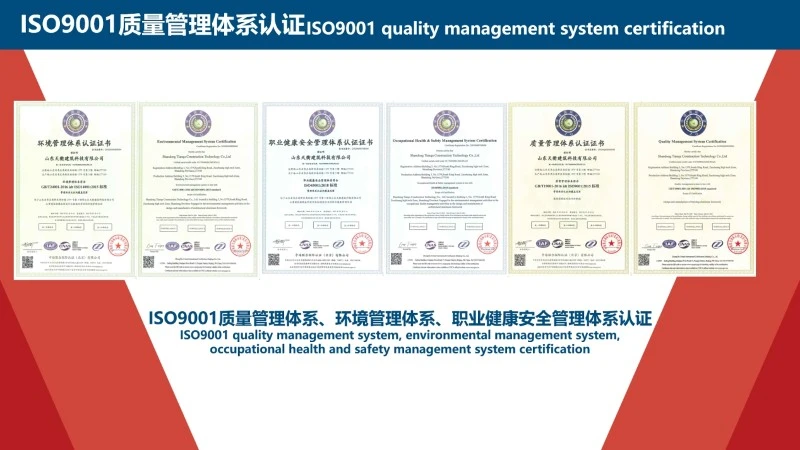
ISO certification: The workshop follows the ISO 9001 quality management system standard to ensure the whole process quality control from raw material procurement, production process to finished product inspection.
Strict process inspection: set up multi-process inspection points, real-time monitoring of profile processing, template assembly, connector installation and other links, timely detection and correction of quality problems.
Quality traceability system: The use of information means to establish product quality traceability system, to ensure that each batch, each piece of template can be traced to the specific production batch, raw material source, operator and other information, to facilitate quality problem investigation and responsibility traceability.
Regular internal audit and external third-party testing: Conduct regular internal quality management system audit, and invite third-party authoritative testing institutions to conduct random product inspections to ensure that product quality continues to meet national and industry standards.
Honorary Association Membership
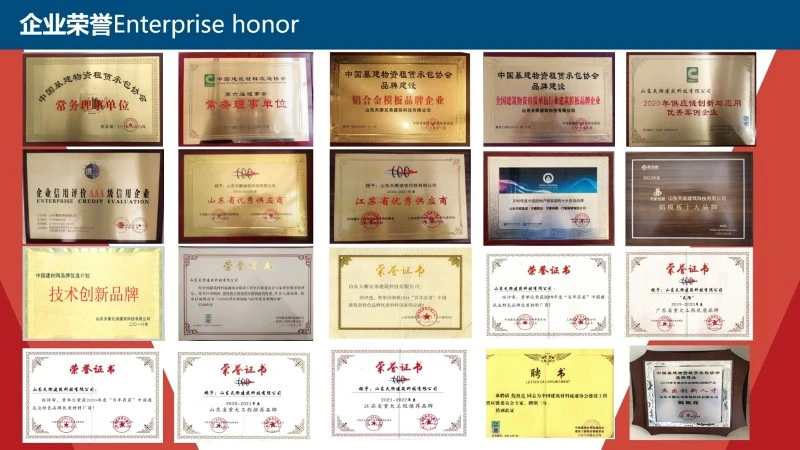
As an honorary member of both frame Structure Aluminium Wall Panel industry associations and building technology societies, we take great pride in this distinction. Such recognition not only validates our outstanding contributions in areas like technological innovation, industry standard formulation, market development, and environmental sustainability, but also underscores our preeminent position within the industry. As an honored member, we have the privilege of participating in various high-level forums, seminars, and technical exchanges, staying closely connected with the elite of the global frame Structure Aluminium Wall Panel supply chain, keeping abreast of industry frontiers, and enhancing our innovation capabilities. This membership also furnishes us with a broad platform for industry collaboration, enabling us to engage in deep strategic partnerships with enterprises worldwide, jointly driving the advancement of frame Structure Aluminium Wall Panel technology and market expansion.
Hot Tags: joint bar, China joint bar manufacturers, suppliers, factory


