

Technical analysis of aluminum alloy formwork
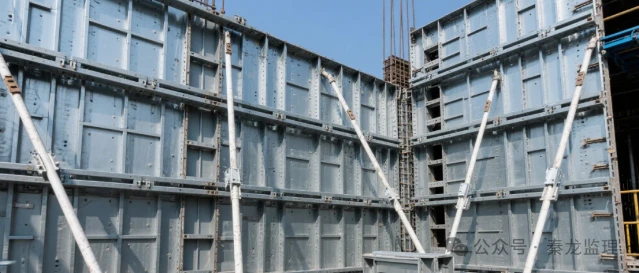
I. Overview of aluminum alloy formwork Aluminum alloy formwork is a reusable building formwork system made of high-strength aluminum alloy profiles through machining, welding or bolting. It has the characteristics of lightweight, high turnover, high precision, environmental protection and energy saving, and is widely used in modern construction.
II. Technical documents and standards
1. National standards and specifications "Aluminum Alloy Structure Design Code" (GB 50429-2007) stipulates the design principles, material properties, strength calculation, etc. of aluminum alloy structures (including formwork). "Combined Aluminum Alloy Formwork Engineering Technical Code" (JGJ 386-2016) clarifies the technical requirements for the design, construction, and acceptance of aluminum alloy formwork. "Technical Code for Construction Safety of Formwork for Building Engineering" (JGJ 162-2008) covers the safety construction standards of formwork engineering (including aluminum alloy formwork).
2. Industry technical documents
1. Material requirements: Aluminum alloy profiles must comply with 6061-T6 or 6082-T6 standards, with a tensile strength of ≥265MPa and a yield strength of ≥240MPa.
2. Production process: The extrusion molding process is adopted, and the surface needs to be oxidized to improve corrosion resistance.
3. Installation specifications: The template assembly must ensure that the flatness error is ≤2mm/2m and the verticality error is ≤3mm/layer height.
Acceptance criteria: The template system must pass the load test (such as uniformly distributed load ≥30kN/m²).
3. Other documents
1. Enterprise technical manual (such as technical guidelines of brands such as Pasch and Aluma).
2. BIM modeling and in-depth design documents (used to optimize the template assembly plan).
III. Scope of application
1. Applicable building types
1. Residential buildings: standardized apartment types of high-rise/super-high-rise residential buildings (such as shear wall structures).
2. Public buildings: projects that require rapid construction such as schools, hospitals, and office buildings.
3. Industrial buildings: standardized factories and warehouses.
4. Infrastructure: cast-in-place concrete structures such as subway platforms and pipe corridors.
2. Applicable structural parts
1. Vertical structures: shear walls, columns, and elevator shafts.
2. Horizontal structure: floor, beam, stairs.
3. Special-shaped structure: bay window, decorative line (customized formwork required).
3. Applicable construction scenarios
1. High degree of standardization: The economic efficiency of projects with repeated floors ≥ 5 is significant.
2. Tight construction period: "early demolition" technology can be realized (concrete strength reaches 50% and can be demolished).
3. Green construction: no construction waste, turnover times up to 200-300 times.
IV. Advantages and limitationsAdvantages:
1. Lightweight: The weight is only 1/3 of the steel formwork, and manual handling is convenient.
2. High precision: The surface flatness of the molded concrete can reach ±3mm, reducing the cost of plastering.
3. Efficient turnover: A single set of formwork can be reused to reduce the overall cost.
4. Environmental protection: There is no consumption of forest resources for wooden formwork, and carbon emissions are reduced by more than 60%.
Limitations:
1. High initial investment: The procurement cost is about 2-3 times that of wooden formwork (need to be diluted through turnover).
2. Strong design dependence: BIM in-depth design needs to be completed in advance, and the flexibility of change is low.
3. Applicability restrictions: Special-shaped structures require customized templates, which reduces economic efficiency.
V. Technology development trends
1. Intelligence: Combine RFID tags to achieve full life cycle management of templates.
2. Modular design: The proportion of common parts is increased to more than 80%, reducing customization costs.
3. Composite material: aluminum alloy + engineering plastic combined template to improve corrosion resistance.