Pure aluminum formwork construction process VS ordinary wood formwork construction process
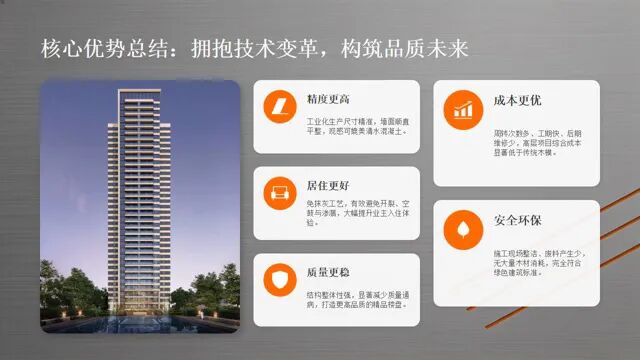
The core reasons why construction sites widely choose aluminum formwork are shorter construction periods, more stable quality, lower long-term costs, and environmental compliance. It is particularly suitable for high-rise residential buildings and standardized projects, making it the most cost-effective option overall.
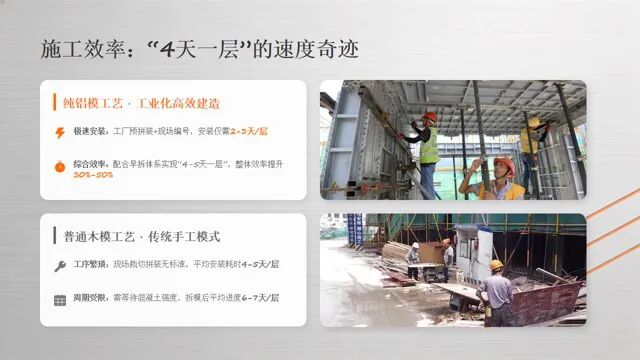
⏱️ Faster Construction Period: 4-5 days per standard floor, 2-3 months ahead of schedule.
- Modular design + rapid manual installation, installation efficiency is 30%-50% higher than wooden formwork. A single 33-story building can be topped out more than 30 days earlier.
- Supports assembly line construction; when the main structure reaches the 10th floor, door and window frames and plastering can be done simultaneously on the ground floor, shortening the overall handover period by 2-3 months and significantly saving on machinery rental and management costs.
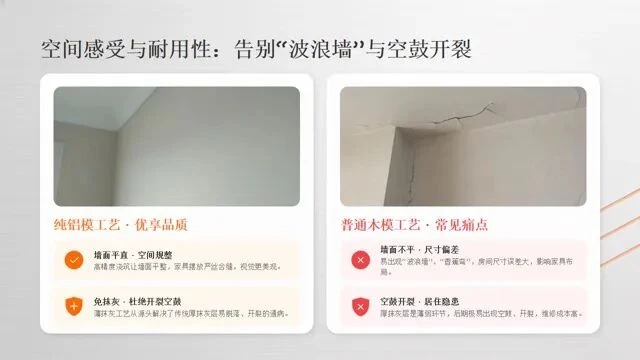
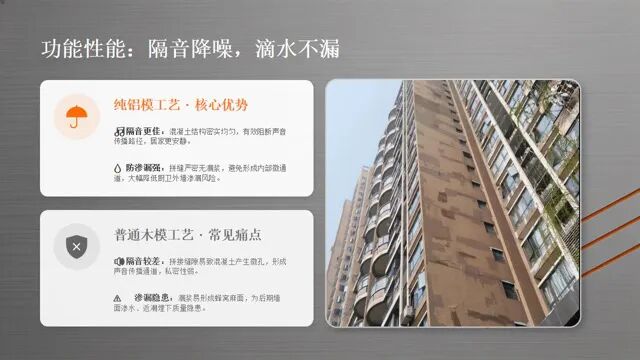
📏 Guaranteed Quality: No plastering required + zero leakage, actual pass rate 98%+
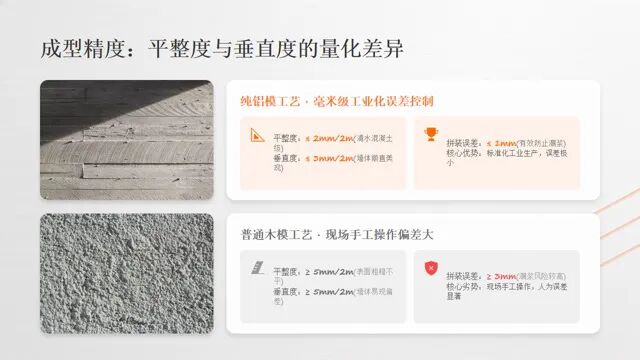
- Industrial precision reaches ±1mm, wall flatness error ≤3mm, verticality meets standards, directly eliminating the need for plastering, saving 20-30 yuan per square meter in plastering costs.
- Tight joints and minimal deformation result in dense concrete, reducing voids, cracks, and leaks from the source, increasing the measured pass rate to 98.6%.
💰 Long-term cost savings: High turnover reduces costs; single-building reuse saves millions.
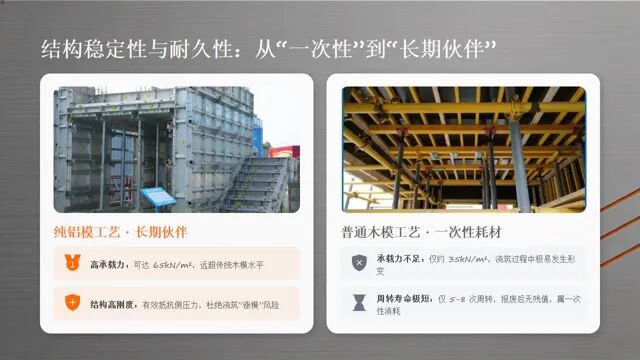
- A single set can be reused 300-500 times, far exceeding wooden formwork (5-10 times) and steel formwork (50-100 times), resulting in lower costs per unit for large-scale projects.
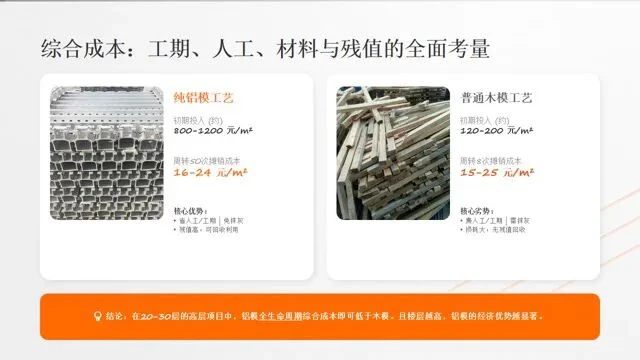
- A single 33-story building can be reused for 6 buildings, saving a cumulative 5 million+ yuan, with a scrap value of 60%-80% of the original value.
🛠️ Smoother construction: Lightweight and easy to operate, highly adaptable to different sites.
- Single blocks ≤25kg, can be manually handled and assembled, without relying on tower cranes, making narrow spaces and high-rise operations safer and more efficient.
- Load-bearing capacity reaches 30-60kN/m², deformation resistance ≤0.3‰, preventing formwork bulging during high-rise pouring, and minimizing on-site adjustments.
🌱 Green and Compliant: Less Timber, Zero Waste, Aligned with Policy Direction
- Reduces timber consumption by 1000m³ per 10,000 square meters, with 100% recyclable timber, drastically reducing construction waste and aligning with green construction and dual-carbon goals.
- Promoted by housing and construction departments in multiple regions, aluminum formwork projects are easier to pass application and acceptance processes.
✅ Applicable Scenarios: Three Types of Projects Prioritizing Aluminum Formwork
- Projects with a high proportion of standard floors, such as high-rise/super high-rise residential buildings, standardized apartments, and affordable housing.
- Developer projects seeking rapid delivery, and quality projects with high requirements for plaster-free and leak-proof construction.
- Long-term multi-project development; formwork can be reused across projects, resulting in significant long-term cost advantages.
⚠️ Reminder: Aluminum Formwork is Not a Panacea
- Initial investment is approximately 2-3 times that of wooden formwork; cost-effectiveness decreases for non-standardized or irregularly shaped projects.
- Detailed design is necessary in advance to avoid later changes and rework.
In short: In the short term, the investment is high, but in the long term, it saves construction time, quality, and maintenance. Aluminum formwork is the formwork choice with the best overall benefits, and it is especially suitable for high-rise residential buildings and standardized projects.