Easy-to-understand graphic explanation of the entire process of aluminum formwork installation and construction
Introduction
Aluminum alloy formwork, also known as aluminum alloy formwork for concrete projects, represents a new generation of formwork systems, following plywood formwork, combined steel formwork systems, steel-framed wood (bamboo) plywood systems, large formwork systems, and early-removal formwork systems.
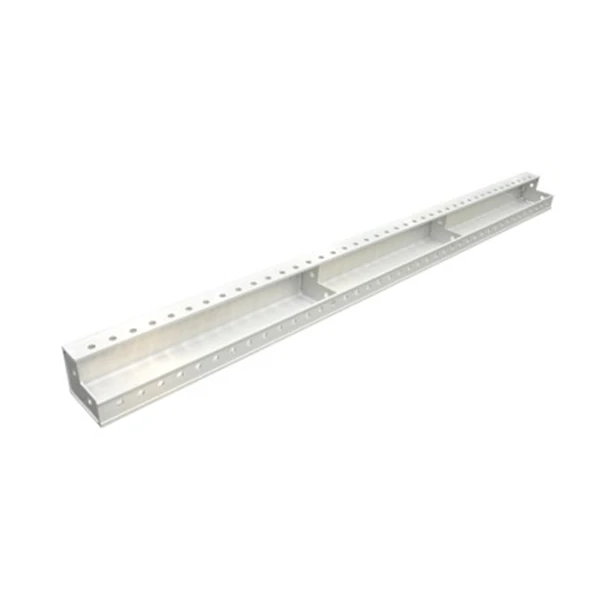
Aluminum alloy formwork is primarily made of aluminum alloy profiles, manufactured through machining and welding processes suitable for concrete projects. Designed according to a 50mm module, it consists of panels, ribs, main profiles, flat formwork, corner formwork, and early-removal devices.
The design and construction application of aluminum alloy formwork represents an innovation in concrete formwork technology, a catalyst for prefabricated concrete technology, and a manifestation of the industrialization of construction technology. This article will provide a graphic and textual introduction to the implementation of aluminum formwork.
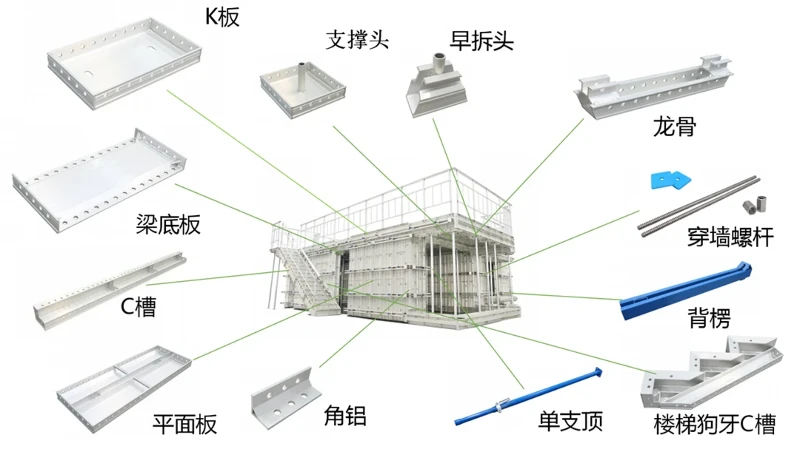
2. Composition of the aluminum alloy formwork system: Aluminum formwork system matching → one set of aluminum alloy formwork; four back ribs for inner walls and five for outer walls; three sets of supporting components (four sets for cantilevered parts); two sets of outer wall K-plates.
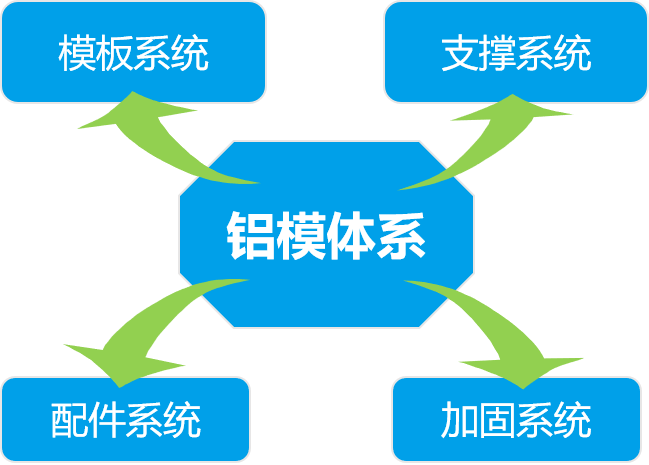
Formwork system: Creates the closed surface required for concrete construction, ensuring the building structure remains in shape during concrete pouring.
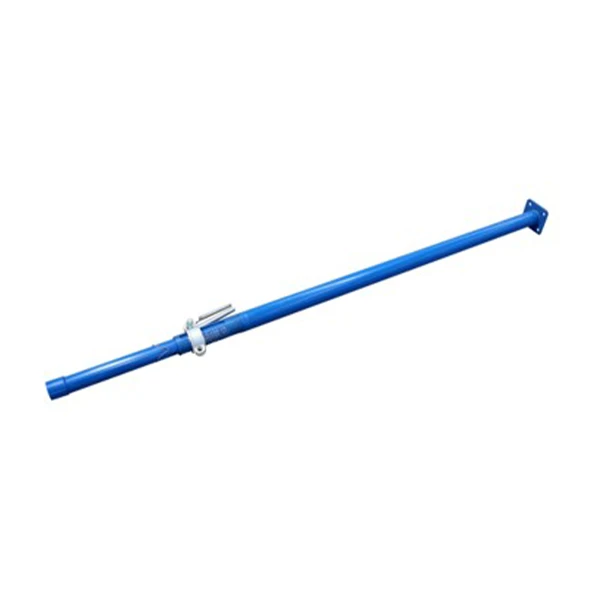
Support system: Provides support during concrete construction, ensuring the stability of floors, beam bottoms, and overhangs.
Reinforcement system: Ensures the structural width of the formwork, preventing deformation, expansion, or explosion during concrete
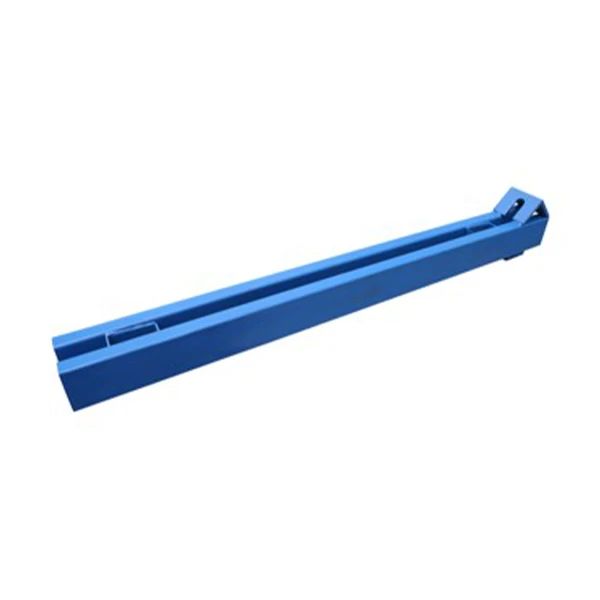
pouring.
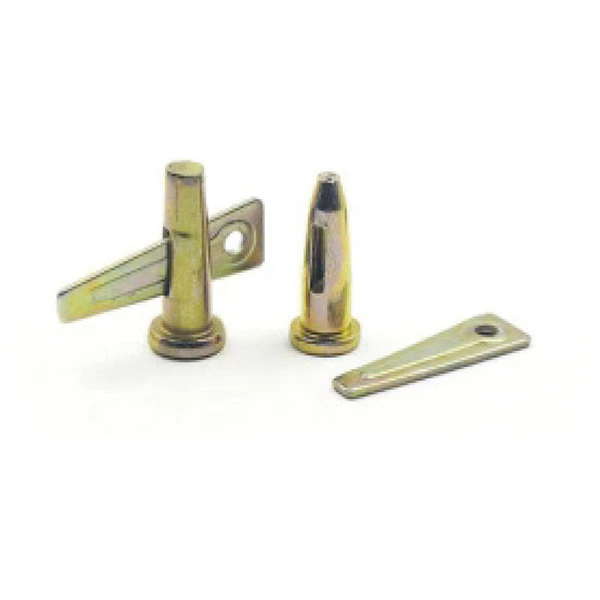
Accessory system: Connects the formwork components, connecting individual pieces into a system.