

Current status and development trend of recycling of aluminum formwork for construction
I. Introduction
The construction industry is a key pillar of the national economy, but it is also a major contributor to resource consumption and environmental pollution. Traditional construction formwork, such as wooden and steel formwork, has numerous drawbacks. Wooden formwork consumes large amounts of resources, resulting in significant waste with each use. Furthermore, it is difficult to degrade after disposal, causing significant environmental pollution. While steel formwork is strong, it is also heavy, requiring significant labor and material resources during construction. It is also prone to rust and has a relatively short service life.
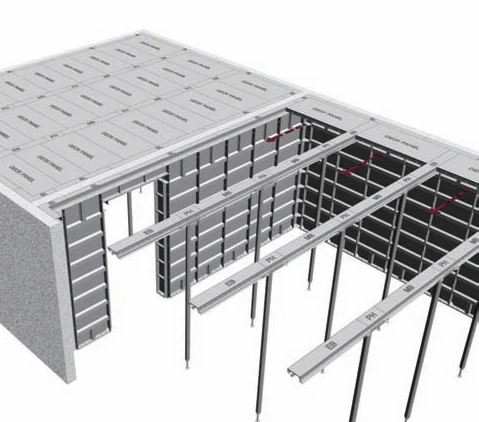
Aluminum formwork, made of aluminum alloy, offers advantages such as light weight, high strength, excellent stability, and high reusability. More importantly, aluminum formwork is recyclable, aligning with the concept of sustainable development and playing a significant role in reducing resource consumption and environmental pollution in the construction industry. In-depth research on the current status and development trends of recycling architectural aluminum formwork is of great practical significance for promoting the green transformation of the construction industry and achieving sustainable development goals.
II. Overview of Architectural Aluminum Formwork
2.1 Definition and Composition of Aluminum Formwork
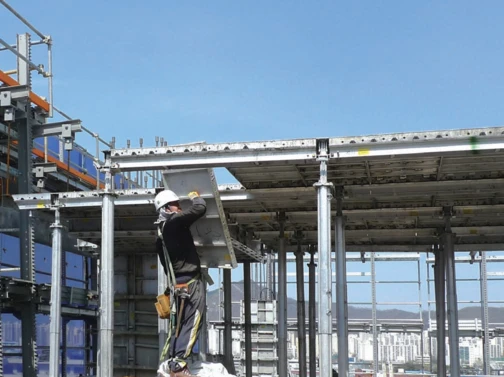
Architectural aluminum formwork is a formwork system made of aluminum alloy used for concrete pouring. It primarily consists of aluminum alloy panels, frames, support systems, and connectors. Aluminum alloy panels are the components that come into direct contact with concrete and require excellent flatness and smoothness to ensure the quality of the concrete surface. Frames reinforce the panels and connect other components. The support system supports the formwork and withstands concrete pressure, ensuring its stability during construction. Connectors connect the various components together to form a complete formwork system.
2.3 Advantages of Aluminum Formwork
Compared with traditional wooden and steel formwork, aluminum formwork offers the following significant advantages:
1. Lightweight: Aluminum alloy has a density approximately one-third that of steel, making it relatively lightweight and easy to handle and install, reducing reliance on lifting equipment and improving construction efficiency.
2. High Strength: Aluminum formwork is made of high-strength aluminum alloy, offering high strength and rigidity. It can withstand significant lateral pressure from concrete, ensuring stability and safety during construction.
3. High Precision: Aluminum formwork is manufactured using advanced processing techniques and equipment, resulting in high dimensional accuracy and tight joints, effectively preventing concrete leakage and ensuring the quality of the concrete structure. 4. High Reusability: Aluminum formwork has a normal service life of over 300 times, far exceeding the reuse rate of wooden and steel formwork, reducing formwork costs.
5. High Construction Efficiency: Aluminum formwork is quick to install and dismantle, shortening the construction cycle. Generally, using aluminum formwork can shorten construction time by 20%-30%.
6. Good Environmental Performance: Aluminum formwork is recyclable. Scrap aluminum formwork can be melted and processed to be remade into aluminum formwork or other aluminum alloy products, reducing resource waste and environmental pollution. Furthermore, using aluminum formwork reduces wood consumption, contributing to forest conservation.
7. Good Economic Benefits: Although the initial investment cost of aluminum formwork is relatively high, its advantages of high reusability, high construction efficiency, and long service life mean that, in the long run, using aluminum formwork can reduce the overall cost of a construction project.
III. Current Status of Recycling of Aluminum Formwork in Construction
3.1 In residential construction, aluminum formwork is primarily used in shear wall and frame structures. Because residential building layouts are relatively standardized, aluminum formwork can be designed and produced to suit different unit types, enhancing its versatility and reusability. Furthermore, the use of aluminum formwork ensures the structural quality of residential concrete, reduces quality issues such as wall cracks and leaks, and improves the quality and comfort of residential buildings.
Aluminum formwork is also increasingly being used in commercial and public buildings. For example, in large shopping malls, office buildings, hotels, hospitals, and schools, the high precision and stability of aluminum formwork meet the structural quality and aesthetic requirements of these buildings. Furthermore, the rapid construction of aluminum formwork shortens construction schedules, enabling commercial and public buildings to be commissioned more quickly, thereby improving the project's economic and social benefits.
In industrial construction, aluminum formwork is primarily used in buildings such as factories and warehouses, where structural strength and stability are critical. The high strength and corrosion resistance of aluminum formwork ensure the safety and reliability of industrial buildings over the long term, while its reusability reduces construction costs.
3.2 Reuse of Aluminum Formwork
The reuse of aluminum formwork is one of its greatest advantages. In actual construction, aluminum formwork reuse primarily encompasses the following aspects:
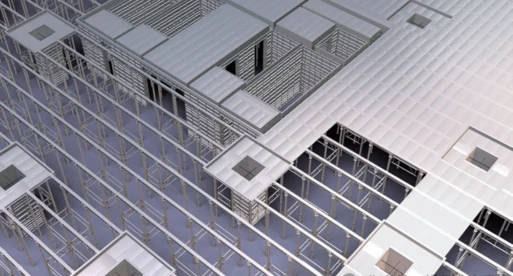
1. Intra-project reuse: Within a construction project, aluminum formwork can be reused across different floors or construction sites. For example, in high-rise building construction, after concrete pouring on one floor, the aluminum formwork can be removed and moved to the next floor for installation and use. In this way, aluminum formwork can be reused multiple times within a project.
2. Inter-project reuse: After a construction project concludes, the aluminum formwork can be cleaned, repaired, and maintained before being transferred to other projects for continued use. This inter-project reuse further increases aluminum formwork utilization and reduces formwork costs. Currently, some large construction companies and aluminum formwork rental companies have established comprehensive aluminum formwork turnover systems, enabling efficient transfer and reuse of aluminum formwork across projects.
3. Refurbishment and reuse: Aluminum formwork that has been used extensively, worn, or damaged can be refurbished to restore its performance and allow continued use. Refurbishment primarily involves cleaning, repairing, and reapplying an anti-corrosion coating to the aluminum formwork surface. After refurbishment, the performance and appearance of aluminum formwork are essentially restored to the same level as new, thereby extending its service life.
IV. The Significance of Reusing Aluminum Formwork
4.1 Economic Significance
1. Reducing Construction Costs: Reusing aluminum formwork can significantly reduce the procurement cost of formwork for construction projects. Although the initial purchase cost of aluminum formwork is relatively high, its high reusability results in a lower average cost per use. For example, for a 30-story high-rise building, the initial purchase cost of aluminum formwork may be higher than that of wooden formwork. However, during construction, aluminum formwork can be reused over 300 times, while wooden formwork is typically only reused 5-10 times. After repeated use, the average cost of aluminum formwork is lower than that of wooden formwork, thereby reducing the overall cost of the construction project.
2. Improving Construction Efficiency and Saving Time: Aluminum formwork is easy and quick to install and remove, resulting in high construction efficiency. Compared to traditional wooden and steel formwork, aluminum formwork can shorten construction times by 20%-30%. This shortened construction period means earlier project delivery and commissioning, bringing economic benefits to owners. Furthermore, this shortened construction period reduces management costs, equipment rental costs, labor costs, and other expenses during the construction process, further reducing construction costs.
3. Reduced Repair and Replacement Costs: Aluminum formwork offers high strength and stability, ensuring the quality of concrete structures and reducing quality issues such as wall cracks and leaks. This reduces repair and replacement costs caused by structural defects during construction, extending the building's lifespan and increasing its value.
4.2 Environmental Significance
1. Reduced Resource Consumption: The construction industry is a major consumer of resources, and traditional wooden formwork consumes significant amounts of timber resources. Statistics show that tens of millions of cubic meters of timber are consumed annually in my country's construction projects. Aluminum formwork is reusable, significantly reducing timber consumption and contributing to the protection of forest resources. Furthermore, the aluminum alloy used as the raw material for aluminum formwork can be recycled from scrap aluminum, reducing the need for primary bauxite mining and lowering resource consumption.
2. Reduced construction waste emissions: Wooden formwork often generates large amounts of construction waste after use. This waste is difficult to degrade and causes serious environmental pollution. Aluminum formwork, on the other hand, is recyclable and can be reused after recycling, reducing construction waste emissions. Furthermore, the high precision of aluminum formwork reduces problems such as concrete leaks, thereby reducing construction waste generated by concrete waste.
3. Energy conservation and emission reduction: The production process of aluminum formwork is more energy-efficient and environmentally friendly than traditional formwork. Aluminum alloy production consumes relatively little energy, and the high efficiency and shortened construction time of aluminum formwork also reduce energy consumption during construction. Furthermore, the recycling of scrap aluminum formwork reduces energy consumption and greenhouse gas emissions during the primary aluminum production process, meeting energy conservation and emission reduction requirements.
4.3 Social Significance
1. Improved building quality and safety: The high precision and stability of aluminum formwork ensure the quality of concrete structures, reduce building quality issues, and improve building safety and reliability. This is of great significance for protecting the lives and property of the people.
2. Promoting Technological Advancement in the Construction Industry: The application and promotion of aluminum formwork has promoted innovation and advancement in construction technology. The design, production, installation, and management of aluminum formwork require advanced technology and equipment, which has driven the construction industry towards industrialization, standardization, and informatization, improving its overall technical level.
3. Promoting Employment and Industrial Development: The production, leasing, and recycling of aluminum formwork involve multiple industries, providing a large number of employment opportunities. Furthermore, the development of the aluminum formwork industry has also driven the growth of related industries, such as aluminum alloy material production, machinery and equipment manufacturing, and logistics and transportation, promoting the optimization and upgrading of the industrial structure and having a positive impact on economic and social development.