

The Korea Temporary Facilities Association Visits the China Formwork and Scaffolding Association to Explore New Development Opportunities
On October 27, 2025, a delegation led by Lee Nam-su, President of the Korea Temporary Facilities Association (KTEA), Choi Hyung-chul, Vice President, Kim Han-joo, Director, and Hwang Kyung-yong, Director of the Research Institute, visited the China Formwork and Scaffolding Association (CFA). The two sides engaged in in-depth discussions on key topics including industry technological innovation, standard development, and market collaboration.
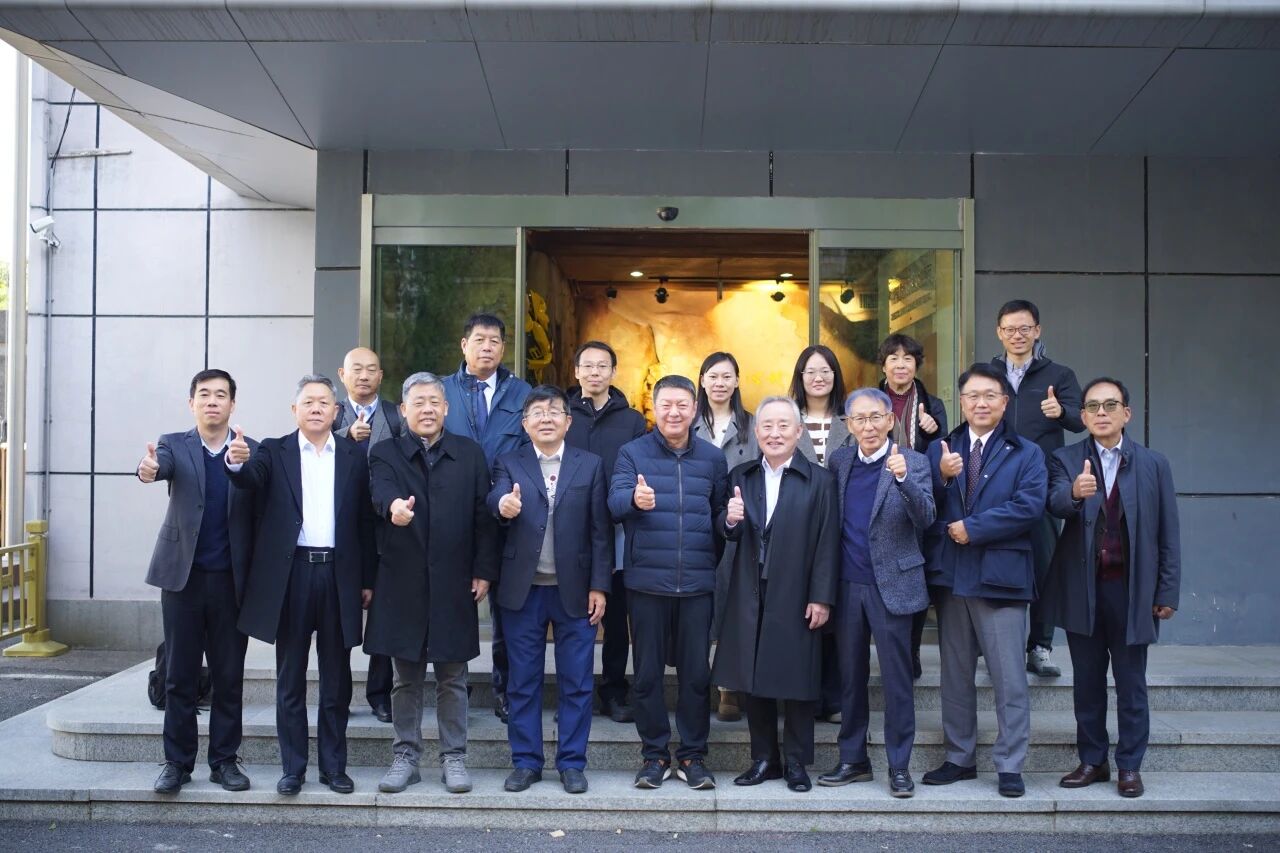
Secretary-General Choi Hongwei presented the association's development history, core functions, and contributions to the industry. He noted that the CFA, as the industry's most influential social organization, has achieved significant results in standard development, technology promotion, and enterprise empowerment. In recent years, it has spearheaded the development of numerous standards, actively organized scientific and technological exchange activities to address the needs of industry transformation, and helped companies seize opportunities in digital and intelligent development. Choi Hyung-chul, Vice President of the Korea Temporary Facilities Association, provided a detailed overview of the association's development and core business. KTEA plays a key role in promoting technological upgrades in the Korean formwork industry, organizing international exhibitions, and conducting data statistics and analysis. It specifically shared Korea's practical experience in establishing a formwork rental and operation system and applying green construction technologies, providing valuable insights for Chinese companies.
During the exchange and discussion session, the two sides focused on several key topics. They agreed on the need to establish a closer dialogue and communication mechanism, actively promote the establishment of a mechanism for mutual recognition of standards and qualifications between the two countries, promote industrial and economic cooperation, and engage in technology and talent exchange. Regarding market cooperation, the two sides discussed the feasibility of jointly exploring third-party markets and proposed achieving win-win results through joint exhibitions and technology sharing. President Lee Nam-su expressed appreciation for China's advantages in industrial chain integration and market scale. He noted the strong complementarity between Chinese and Korean companies in technology research and development and market application, and expressed hope that regular exchanges would promote substantive cooperation.