Key Management Points for the Four Phases of Aluminum Formwork Construction
1. Aluminum Formwork Structure Phase
After the aluminum formwork begins installation, key inspections are conducted: layout, reinforcement, aluminum formwork installation, and mechanical and electrical installation. Strict acceptance inspections are conducted, and any quality issues are reported as rectification notices to the general contractor.
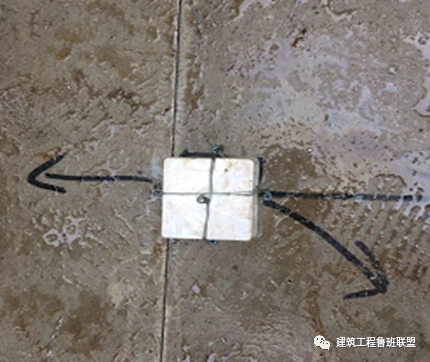
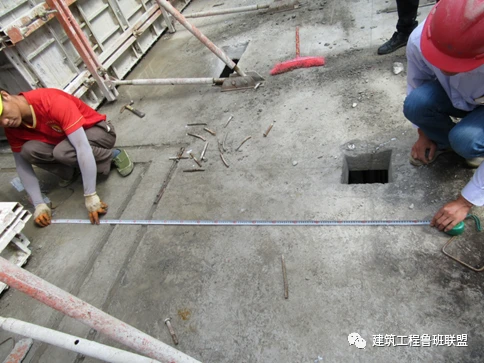
1) Layout Work Acceptance
Key acceptance points: Verify positioning lines, test lines, elevation lines, and deviations of the cast exterior walls, controlling deviations within 3mm.
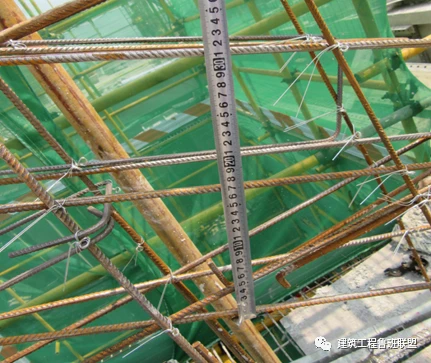
2) Reinforcement Work Acceptance
Key acceptance points: ① Check the size and verticality of the wall positioning reinforcement after welding; ② Check the anchoring bars in the structural joints (distribution bars pass through the joints) and optimize the spacing of the wall's structural reinforcement; ③ Window side reinforcement with "S"-shaped reinforcement (a fully concrete-optimized window side crack prevention measure), as well as other standard reinforcement inspection items.
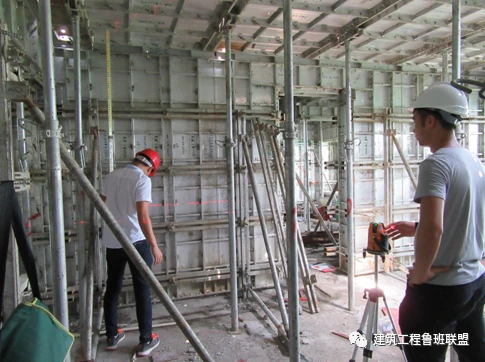
3) Formwork Reinforcement System Acceptance
Key acceptance points: Diagonal brace spacing; internal corner reinforcement; K-plate reinforcement; wall leveling inspection; and the return edge reinforcement system.
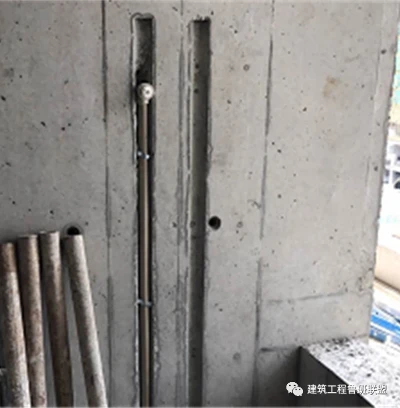
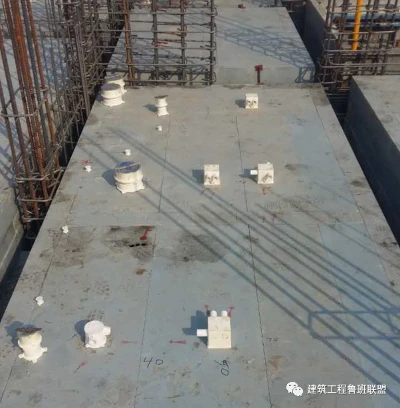
4) Pre-embedded Mechanical and Electrical Installation Inspection
Inspection Key Points: ① Ensure a minimum depth of 4cm for water pipes; ② Ensure accurate positioning of junction boxes, with the fire smoke detector and lighting junction boxes in the elevator hall centered and aligned.
2. Aluminum Formwork Masonry Stage
Management Key Points: ① Masonry dimensions should match the wall thickness. The thickness for conventional plastering should be (wall thickness minus 3cm), and the thickness for thin plastering should be (wall thickness minus 1.5cm). ② Before large-scale masonry construction, a sample layer should be constructed and approved by the inspection team before large-scale installation can begin. ③ Determine the construction method for top bricks: For conventional top bricks, use concrete blocks laid diagonally; for non-top bricks, leave 2-3cm gaps between the masonry and fill them with expansive mortar.
3. Aluminum Formwork Plastering Stage
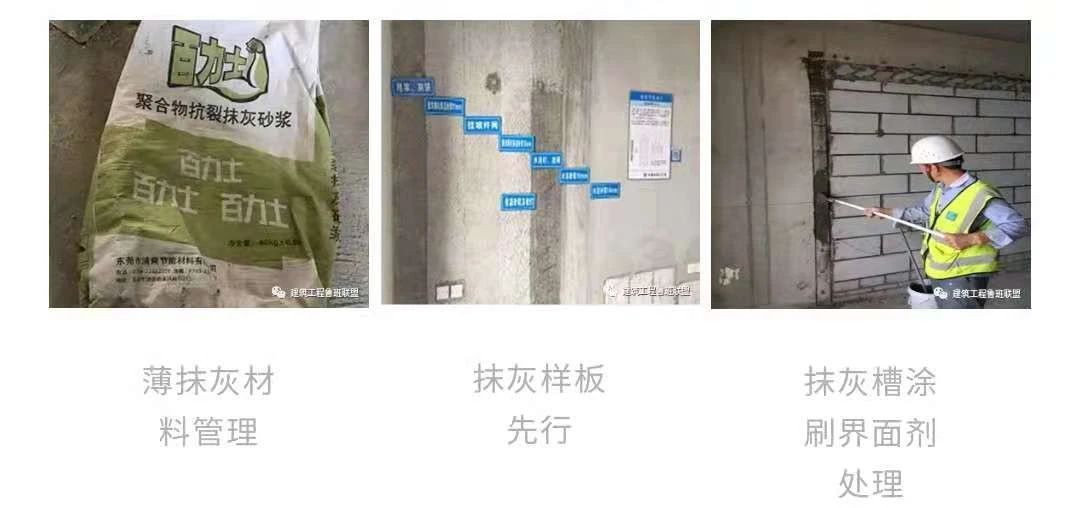
Key Management Points: ① For general plastering, the mix ratio must be strictly controlled, and a special crack-resistant plastering mortar should be purchased for thin plastering. ② Before large-scale plastering, a sample layer should be constructed and approved by the inspection team before large-scale plastering can be carried out. ③ To address the problem of hollowing in the plaster grooves of conventional plastering, applying a primer before plastering can effectively prevent hollowing.
4. Aluminum Window Installation Stage
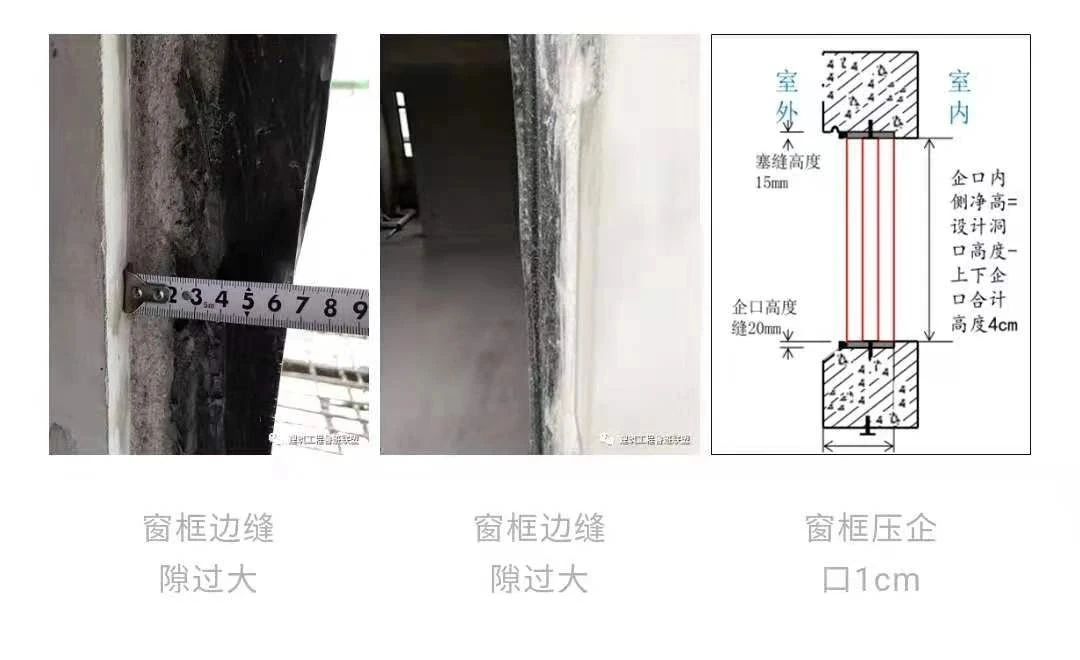
Key Management Points: ① The project department will take the lead. The window dimensions of the aluminum window detailed design must be combined with the opening dimensions of the aluminum alloy formwork detailed design, and the design must be carried out after on-site measurement. ② The aluminum window detailed design drawings must be reviewed by the Design Department and the Engineering and Technology Department before being submitted to the Group's curtain wall team for review.