

Comprehensive understanding of aluminum formwork
At present, the raw materials commonly used in building templates in our life are mainly: wood formwork, steel formwork, plastic formwork, aluminum formwork, new composite formwork and so on.
In fact, each template has its advantages and disadvantages. Today, we will understand the advantages and disadvantages of each template from various perspectives.
raw and processed material :
1. Wooden formwork: relatively light weight, convenient construction, the lowest cost, but not durable, not environmentally friendly, very low reuse rate.
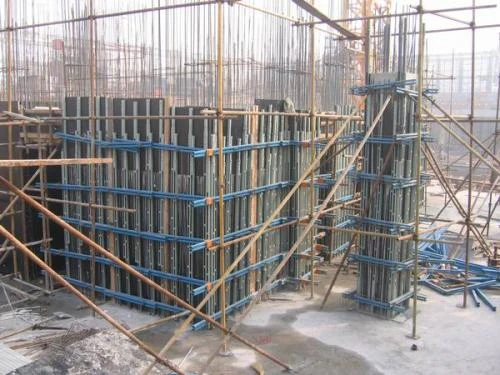
2. Steel formwork: strong, can be reused, but the weight is relatively heavy, construction is relatively troublesome, the cost is very high.
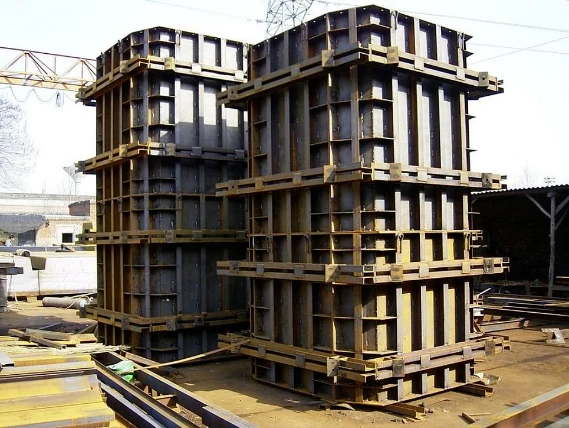
3. Plastic formwork: waterproof, low cost, more durable than wood formwork, but not strong enough, easy to cause quality problems.
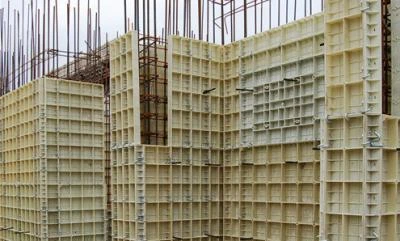
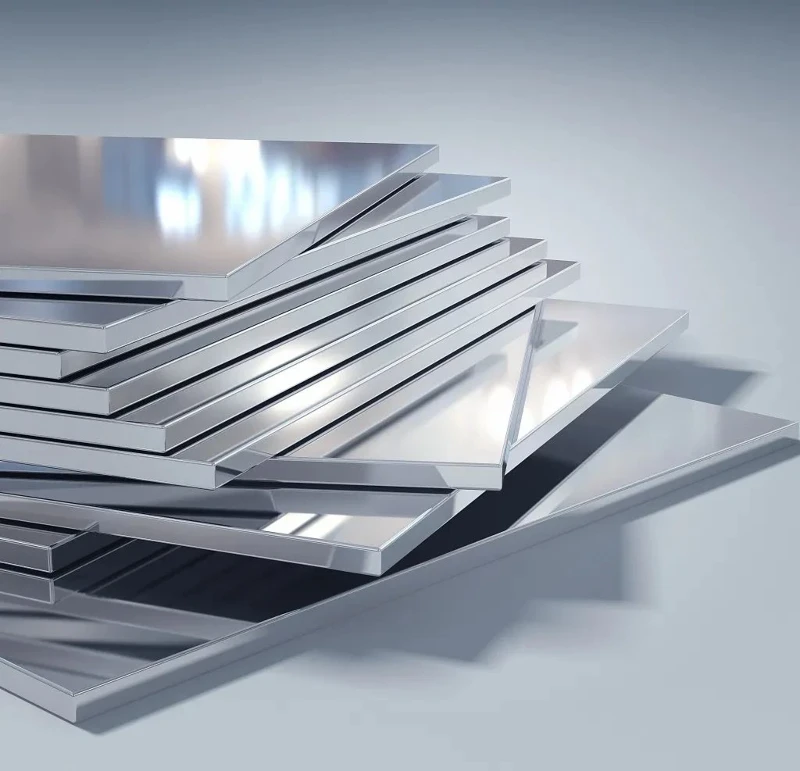
4. Aluminum alloy formwork: Aluminum alloy has high strength, is not easy to rust, can be used for many times, the longest mission, and the recycling rate is high. It is slightly heavier than wood formwork, but much lighter than steel formwork. Construction is simple, but the cost is relatively high.
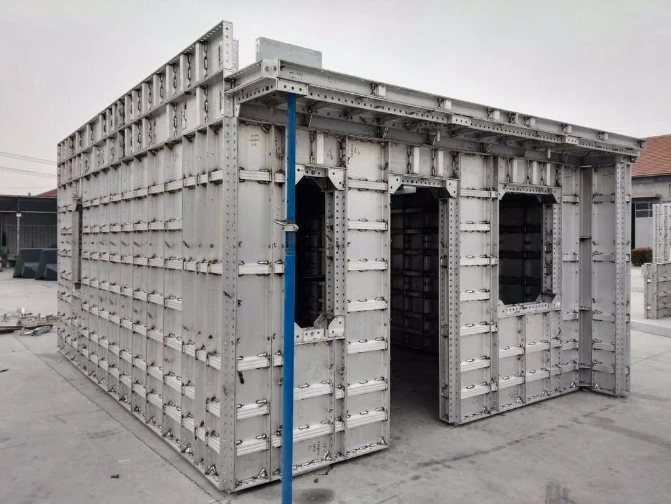
The above is the advantages and disadvantages of 4 common templates, but these are not comprehensive, there are many hidden aspects of construction quality and other advantages and disadvantages, among which aluminum formwork is actually better, because aluminum formwork has certain advantages:
1. Aluminum alloy is easy to process, suitable for a variety of complex structure shapes of concrete components, bearing capacity can reach 50KN/㎡.
2. The manual assembly is simple and flexible, easy to install and quickly disassemble, and easy to construct. By reserving openings and manually delivering templates and supports layer by layer, the labor intensity is reduced, the safety factor is increased, and the construction cost and transportation cost are reduced.
3. With a set of aluminum formwork and three sets of supports, the "early formwork demolition construction technology" is implemented (the construction period can be reduced by 1~2 days per floor), which greatly saves labor costs, reduces formwork materials, increases the number of formwork turnover times, and accelerates the construction cycle.
4. Aluminum formwork panels are large, with minimal splicing, high precision, high load-bearing capacity, strong deformation resistance, and high construction quality. They can almost meet the standards of fair-faced concrete construction, eliminating the need for plastering and reducing costs. Additionally, due to their superior construction quality, they can effectively prevent later issues such as cracking and water leakage in the exterior walls.
What is the difference between aluminum formwork and other formwork?
Aluminum formwork not only conforms to the current green construction policy in China, but also avoids the limitations of traditional formwork, which is why aluminum formwork is becoming more and more popular in China. At present, aluminum formwork has been favored by a wide range of builders.
In terms of cost, although aluminum templates are made from aluminum alloy, they are significantly cheaper than steel on average. Thanks to their excellent physical and chemical properties, these templates can withstand various harsh environments, ensuring a long lifespan. Additionally, they can be recycled and reused, aligning with national requirements for construction projects: energy efficiency, environmental protection, low carbon, and emission reduction.
High cost does not mean high cost?
Because the unit price of aluminum alloy is relatively high, many people mistakenly think that this will lead to high costs, but aluminum alloy can be recycled. If enterprises use aluminum templates for operation, this can make a set of templates used multiple times, which greatly reduces the cost of templates.