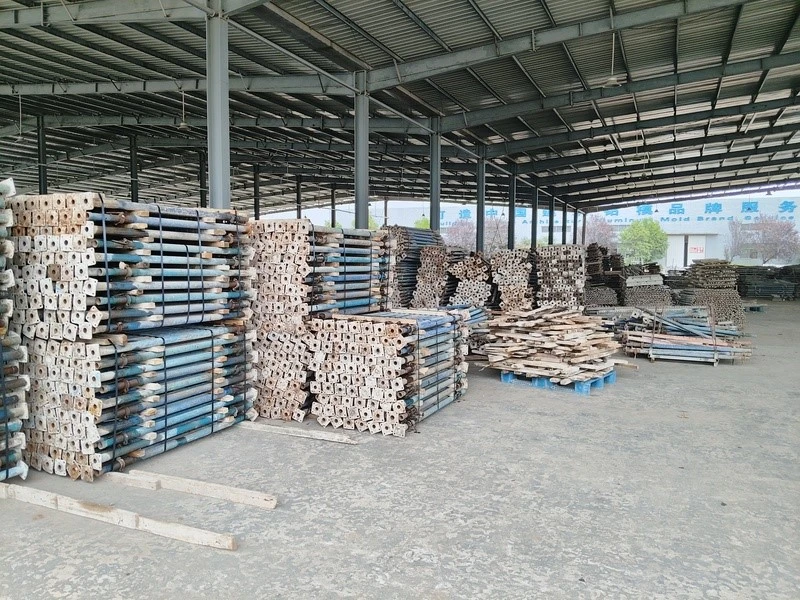
Aluminum film technology "breaks the circle", and the architectural quality subverts imagination
We have comprehensively upgraded our construction technology, meticulously optimizing every detail from process to construction method, from the entire structure to the individual components, in pursuit of the ultimate in architectural and engineering quality.
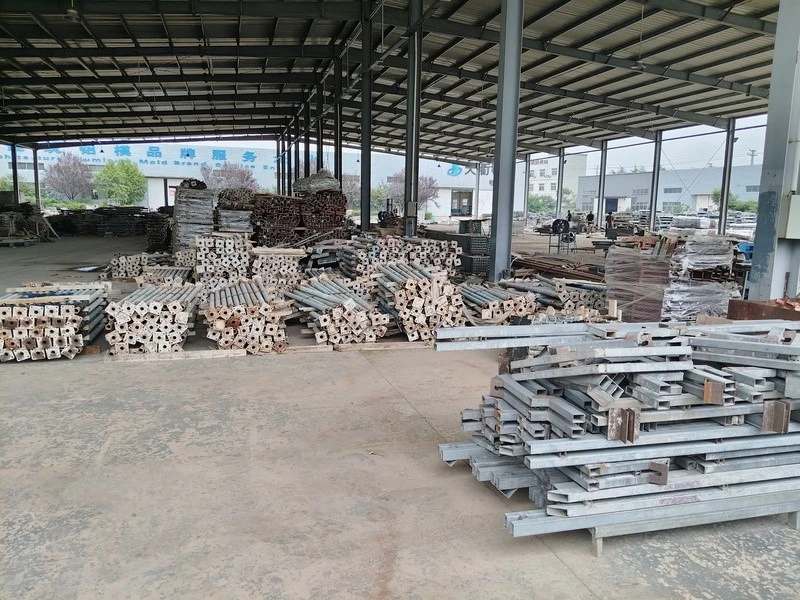
Based on the philosophy of high-quality and efficient construction, aluminum formwork technology is currently being applied to Buildings 23 and 25 of Xingfuli Phase 4. Compared to traditional wooden formwork systems, aluminum formwork not only enhances the aesthetics of the building, but its numerous advantages also provide residents with a comfortable and pleasant living experience.
Aluminum formwork, also known as aluminum alloy formwork, is a building formwork made of aluminum alloy. It is manufactured according to a modular design and extruded using specialized equipment. It consists of three components: aluminum panels, brackets, and connectors. Aluminum formwork technology has been applied and developed abroad for over 50 years and is widely used in various areas of reinforced concrete building structures. my country's architectural aluminum formwork industry began in the early 21st century and has lagged behind the pace of development abroad.
Currently, the commonly used formwork for concrete pouring in the construction industry includes steel formwork, wooden formwork, bamboo formwork, and plastic formwork. However, these traditional formwork systems suffer from low durability, high costs, or insufficient strength, leading to issues with construction quality, efficiency, and safety.
Aluminum alloy formwork technology, precisely because it meets market demand and addresses these construction issues, was first developed and widely adopted in developed countries.
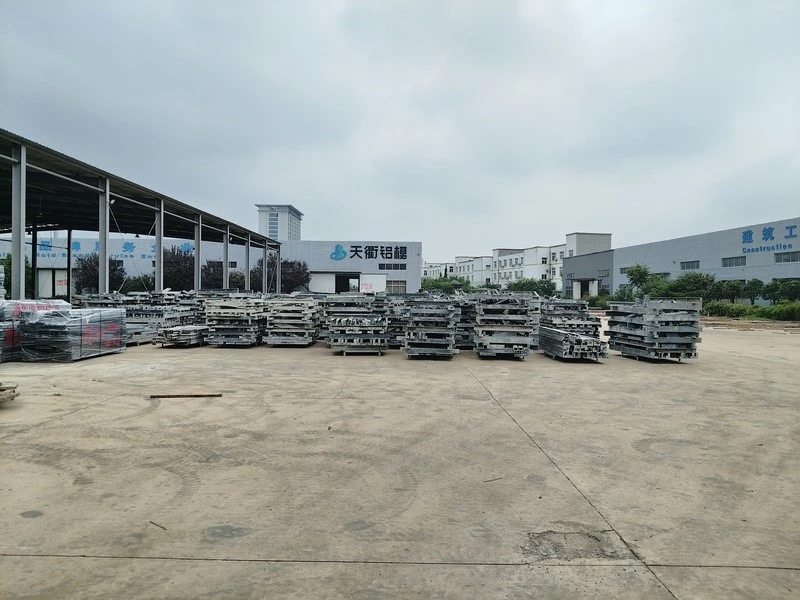
In recent years, with the development of the construction industry, the invention and application of aluminum formwork technology has been considered a major revolution in the development of architecture.
1. Innovative Technology, High Safety Factor
Aluminum formwork systems are assembled from aluminum alloy panels. Most aluminum formwork systems have a load-bearing capacity of up to 60 kN per square meter, sufficient to meet the formwork requirements of most residential buildings. The resulting integral framework significantly improves the building's resistance to collapse and overturning.
Aluminum formwork materials are of guaranteed quality. Compared to traditional methods, aluminum formwork is more rigid, less prone to deformation, and offers a high safety factor. It can be used over 120 times, compared to the typical 6-8 times for traditional forms.
2. Continuous Improvement, Minimizing Forming Errors
Aluminum formwork technology ensures superior wall flatness, improving horizontal and vertical alignment from centimeters to millimeters. Highly measured data ensures more precise construction. Aluminum formwork technology offers precise positioning and minimal structural opening tolerances, allowing components to be formed in a single step, resulting in excellent results. This avoids the three major quality issues associated with secondary pouring, such as hollowing, cracking, and leakage in wall plastering.
Furthermore, the exterior walls are entirely clad in concrete, eliminating the potential for water leakage caused by loose caulking. This prevents leaks and cracking, resulting in a more comfortable and secure living experience.
3. High Quality and Efficiency, Short Construction Time
Aluminum formwork technology utilizes a quick-release system, making assembly simple and convenient. Formwork removal and installation are extremely time-efficient, significantly accelerating project progress.
4. Environmentally friendly and versatile
Aluminum alloy materials are highly recyclable, and upon dismantling the aluminum formwork system, the scrap value is high. All materials of aluminum formwork are renewable materials, which comply with the national regulations on energy conservation, environmental protection, low carbon and emission reduction of construction projects, and also fully meet the green building construction standards.