

Aluminium Formwork System: Types, Benefits & Best Practices
The construction sphere is one of the emerging industry segments that is perpetually in need of faster, safer, and more efficient building approaches. This simply means that innovations are a constant in this sector. One of the most game-changing innovations with regard to building high-rise and large-scale housing projects is undoubtedly the Aluminum Formwork System.
The aim of this blog post is to describe what aluminium formwork is, its notable types, discuss main advantages, and highlight best practices in order to achieve maximum results on site.
What is Aluminium Formwork?
Aluminium formwork is a construction engineering technology that employs a set of precisely manufactured aluminium panels and components to form concrete for walls, slabs, columns, beams, staircases, etc. These panels serve as temporary molds or forms which shape and confine the poured concrete until it sets and develops adequate strength.
Aluminium formwork was developed in the early 70s. It has since gained popularity in India and the rest of the world because of speed, mark repeatability, and cost efficiency associated with aluminum formwork systems especially for mass housing, infrastructure, and high-rise real estate developments.
It is this system's distinctive strength that it can cast walls and slabs in one single pour which creates a monolithic structure that is extremely durable and strong.
Types of Aluminium Formwork Systems:
Based on the needs of the project and other peculiarities, various aluminium formwork systems may be employed. The most common systems in use are:
1:Panel Formwork System
This modular system is designed with panels for vertical and horizontal elements. It suits repetitive layouts like blocks of flats or government sponsored housing projects. The formwork panels are lightweight and easy to assemble and can be used on several storeys.
2:Tunnel Formwork System
This system combines the wall and slab form work to be cast at the same time. It is used in repetitive unit structures as in case of hotels, hostels and multi-storey residential buildings. It improves the pacing of construction cycles and creates uniformity throughout the structure.
3:Table Formwork (Flying Formwork)
Configured to large slab area in commercial and multi-storey buildings, table formwork is assembled at grade and crane – "flown" to upper level floors. It enhances the speed of slab construction while minimizing labor needs.
Best Practices for Aluminium Formwork
Benefits:
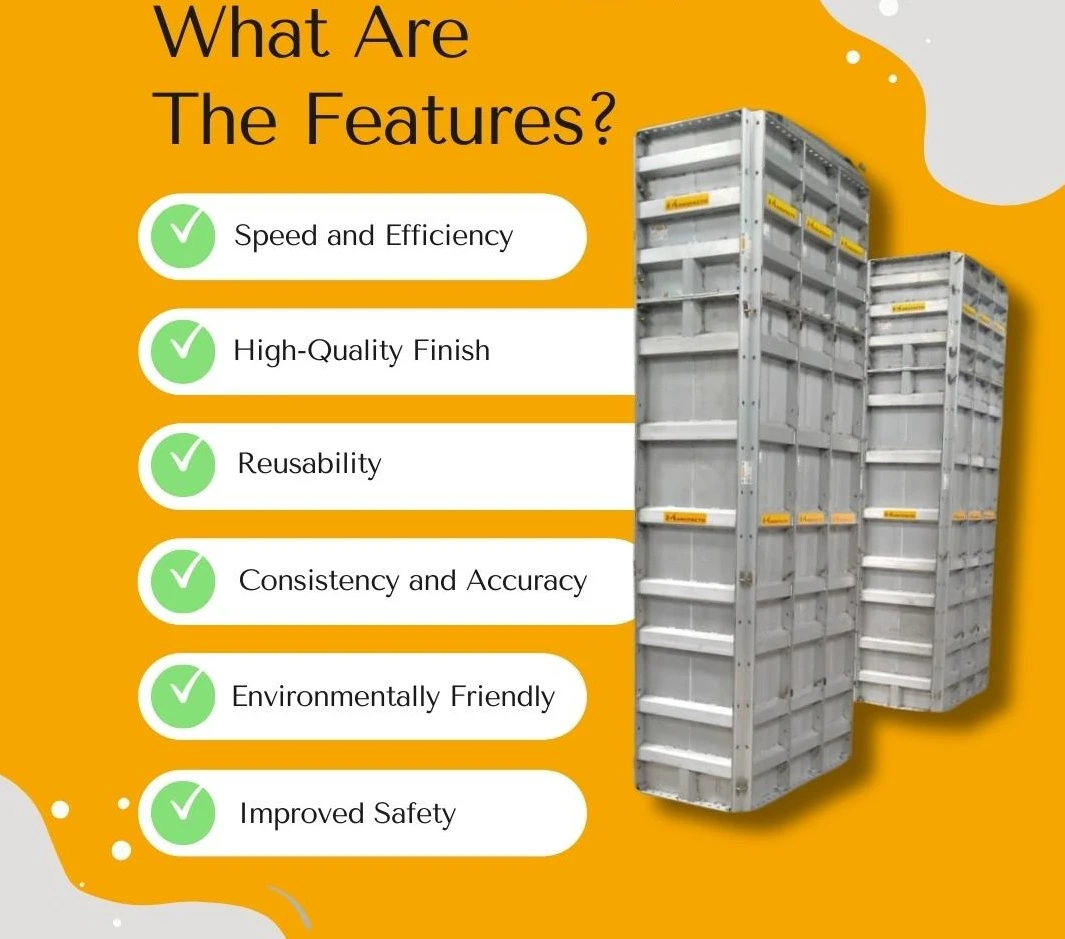
To take advantage of aluminium formwork features, the following practices should be adopted on site:
1:Early Coordination with Design Teams
Develop alignment strategies for handover with architects and with structural consultants, so the formwork system will be designed specifically for the construction of the building formwork that the windows lend themselves to at it's the most detailed stage.
2:Skilled Manpower
Specialized workers are required to assemble and to disassemble the aluminum panels appropriately. They should be done as the panels may be bent or scratched, enabling a surface stainless trim.
3"Regular Cleaning and Maintenance
Panels should only be taken after use cleaned and managed effectively secured to avoid any cement splatter. Any splatter can reduce the lifespan of the system.
4:Collaborate with a Manufacturer who is Trustworthy
Partner with an aluminum formwork supplier who is reliable and provides product design assistance, robust products, and post-sale services. This guarantees the construction is executed without a hitch and the ROI is optimally enhanced.